
The Power of Purpose in Teams
We all desire more control over our teams. We wish they all worked our way; or that they cared for the client the way we care. And so there is always a natural leaning to micro-manage or to watch over people’s shoulders rather than trusting them to do a good job. So when there is a lot at stake, how do we learn to manage our teams better?
And to answer that question, we could turn to any number of books on leading teams. But I want to focus on one aspect that sometimes is overlooked. The issue of ‘purpose’.
In team leadership there are all sort of techniques, such as delegation, empowerment etc, and all manner of tools like productivity tools, collaboration and information sharing platforms. But at a human level, there are only two ways to get someone to do something – manipulation and inspiration. In his great book ‘Start with Why – How Great Leaders Inspire Everyone to Take Action’, Now ‘manipulation’ isn’t necessarily a bad thing – as Sinek outlines. It is sometimes the default mode that most people operate at in the marketplace. Manipulation can take many forms, such as ‘discounts’ and ‘promotions’ that shape customer behaviour. The bottom line with manipulation is that it gets people to do what you want but at a cost to you. It is short term focused and leads to transactional relationships. To build loyalty, not only with your customers but with your staff, you need a different way to motivate behaviour.
The alternative is inspiration. Inspiration is when we express ‘WHY’ we do something rather than just the ‘WHAT’ and ‘HOW’. As Sinek says,
‘We are drawn to leaders and organizations that are good at communicating what they believe. Their ability to make us feel like we belong, to make us feel special, safe and not alone is part of what gives them the ability to inspire us’ (p55).
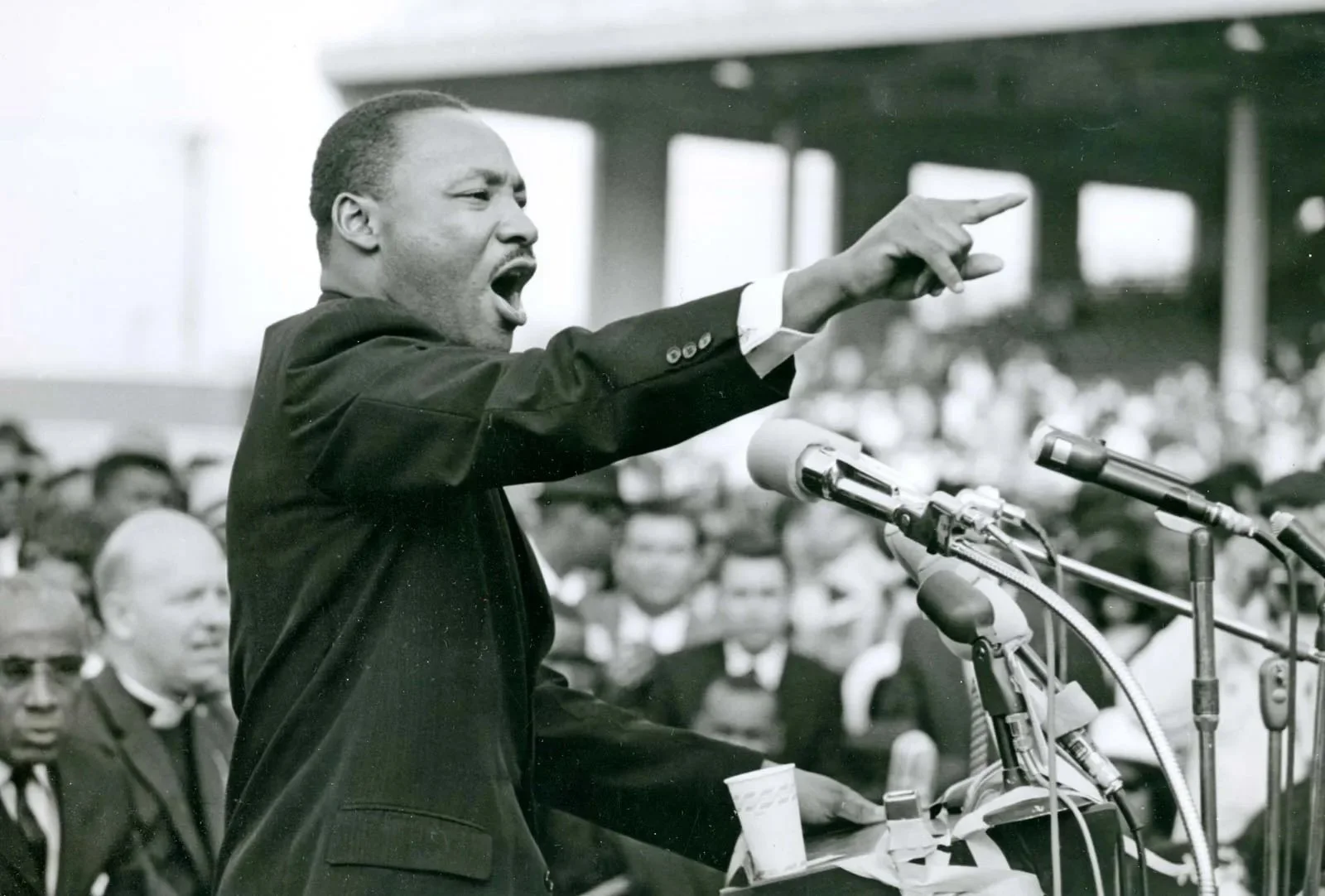
‘What they believe’ is their WHY. Humans are deeply motivated by purpose rather than just goals and targets. Sinek illustrates this from Dr Martin Luther King Jnr ‘I have a dream’ speech. Dr. King wasn’t the only person who knew WHAT needed to happen but his conviction and clarity of WHY was what galvanised so many people behind this cause.
‘The HOW to achieve civil rights or WHAT needed to be done were debatable… Regardless of HOW or WHAT was being done, there was one thing everyone had in common – WHY they were doing it’ (p127).
What does this mean for our teams? So often I have seen teams given sales or growth targets, or leadership teams given revenue targets which is all good and well. And to some degree people like challenges and well-defined achievements. But at motivational level, there is often only manipulators - ‘carrots’ and ‘sticks’ - to help you achieve these targets. Incentives, performance reviews and the like are all the standard way that we manipulate people to do what we want them to do. But if you drill down, the only purpose behind these ‘targets’ are the bottom line – profit. And profits really only benefit the small few - owners or shareholders.
Is there a better way? On one level, the organisations that have very clearest purpose are Not-For-Profits. Usually they are formed around a central purpose. And often NFPs are filled with people who volunteer their time because of their belief in this purpose. What if you could harness that inspiration found in NFPs in a ‘For-Profit’ business.
What if your business or team had a ‘Cause’ that your work contributed towards. Rather than just showing up to work for a pay-check each week, people could start to rally around the ‘good’ that they are doing in their work. This desire runs deep in all of us – the desire to make a difference. Imagine if your team started turning up to work with this passion, to make a difference.
Having a better ‘Why’ is also becoming the new norm. Did you know that 68% of Gen Z employees think it’s important their company is actively committed to social causes, and 58% want their company to be more environmentally responsible?[1] Not only does developing a bigger cause help attract and keep good employees, it creates loyalty, and can also be a competitive advantage as more and more customers are willing to commit themselves to companies that ‘do good’. Social enterprises and B Corps are on the rise, and that’s because humans need purpose. To forget this is rob our teams of their drive and passion.
People want to work for something bigger than themselves. Customers are looking to products and services that are doing something bigger and better for our planet. Profit and purpose are not antitheses. Your challenge is to work out what your purpose could be and start aligning your business in a way that impacts this world for good.
[1] https://www.talentlms.com/research/gen-z-workplace-statistics